For leaders of complex organisations
Your people aren’t the problem. The joins between them are.
Structured Collaboration gives leaders a practical way to design how teams and functions work together, so work crosses the organisation right first time.
Developed by Alex McDonnell, drawing on work in more than seventy organisations.
The problem
Organisations are run in columns. Work runs in rows.
Every function has a manager, a budget and a plan. The work that matters most to customers crosses several of them, and nobody owns the joins. That’s where things slow down, fall through the gaps or get done twice.
01
Decisions that bounce
Choices travel between departments, gathering delay at every stop.
02
Handoffs that depend on who you know
Work gets through when the right people happen to know each other, and stalls when they don’t.
03
Senior teams that meet but decide separately
Leaders spend hours together, then each optimises their own part of the business.
Good people end up chasing, firefighting and working around the gaps. It wears them down, and it isn’t their fault. It shouldn’t take heroics to get ordinary work across an organisation.
Developed in practice
Built by someone who has stood where you are.
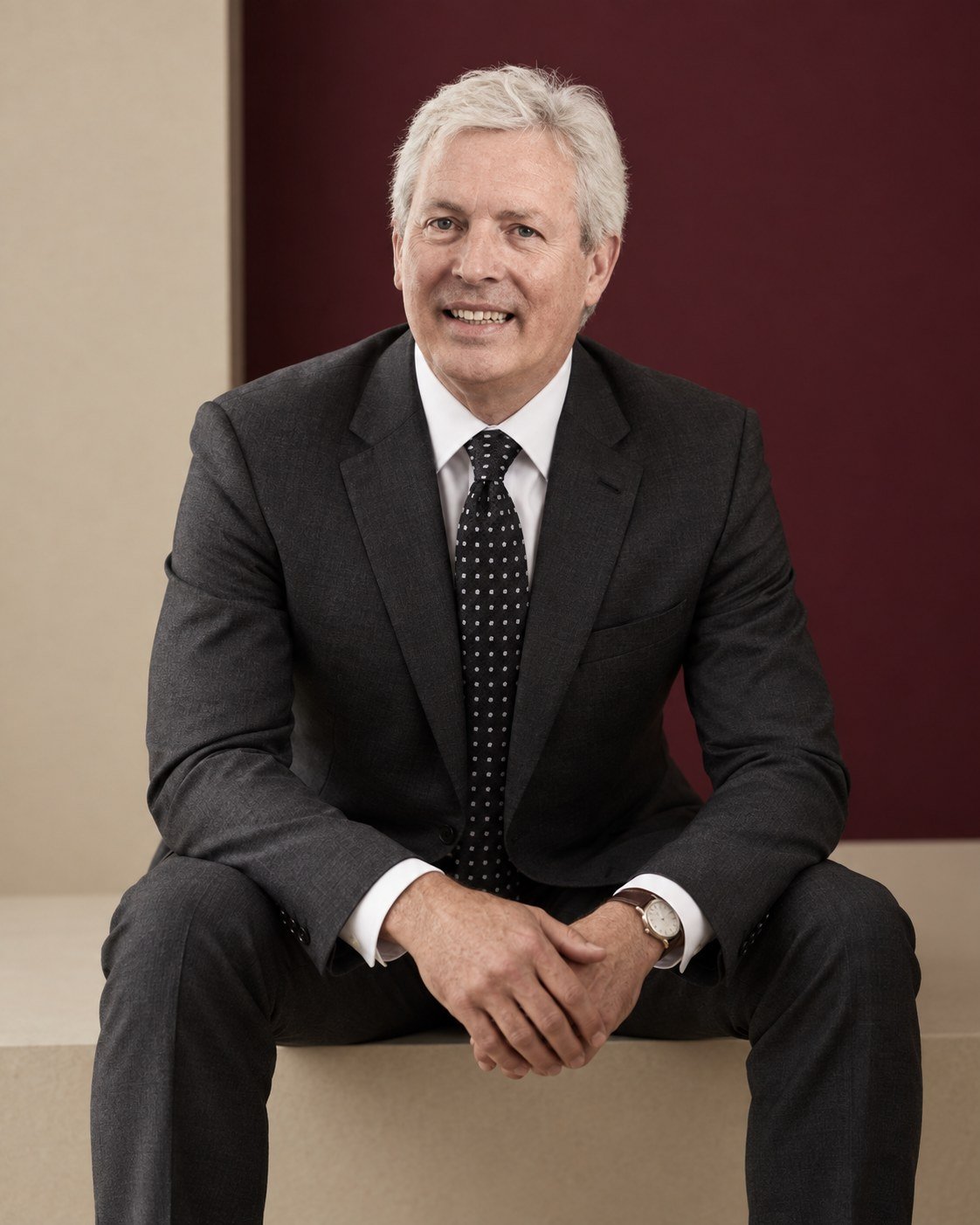
Alex McDonnell started out as an engineer and became a quality practitioner. Again and again he saw capable people let down, not by their own effort, but by the way their organisation was put together.
Structured Collaboration was developed by Alex McDonnell. It grew out of work inside more than seventy organisations, where connecting the parts typically delivered improvements of 30–40%.
Alex is a master practitioner in Lean operational excellence and organisational design, and the author of Who Designed Your Organisation?
The plan
Three steps to work that crosses the organisation right first time.
Structured Collaboration starts where the problems are: at the joins. Then it makes the fix stick.
01 / Map
Map where the work crosses your organisation
Find the joins between teams and functions where work slows, bounces or gets done twice.
02 / Agree
Agree the performance contract at each join
Using the Structured Collaboration Canvas®, the teams on each side agree who needs what from whom, to what standard, and what happens when something goes wrong.
03 / Sustain
Build the structures that keep it working
The roles, forums and rhythms that keep those agreements current, up to the Enterprise Execution Forum for the senior team.
What changes
What it looks like when it works.
Organisations that connect their parts this way typically see improvements of 30–40%. Just as important, good people get to do good work without fighting the organisation to do it.
Decisions
Decisions made once
With the right people in the room, instead of bouncing between departments.
Handoffs
Handoffs you can rely on
Agreed once between the teams on each side, not dependent on who happens to know whom.
Senior teams
A senior team that decides together
Connected choices made while they can still be shaped, instead of each leader optimising their own part.
How mature is your collaboration?
Not every connection needs the same structure.
The Continuum of Collaboration describes six stages of working together, from simple communication through to Constructed Collaboration, where the way teams connect is deliberately designed and kept current.
The aim isn’t to push everything to the top. It’s to match the structure to what each connection actually carries.
The three levels
One method, applied at every level.
People learn one way of making collaboration work, then use it wherever teams depend on each other.
01 / Senior teams
Concurrent Management
Connected decisions made together, while they can still be shaped.
02 / Across teams and functions
Designed interfaces
Handoffs agreed once, then relied on.
03 / The whole business
A shared picture
How the organisation creates value and how its parts fit together.
Tools
Practical tools, tested in real organisations.
Between teams
The Structured Collaboration Canvas®
Five questions any two teams can work through to agree how they connect.
Across the business
The Agile Business Execution Canvas®
A single view of how the business turns strategy into day-to-day execution.
Free resources
Start mapping the joins in your organisation this week.
Practical guides to the method and the canvases, plus the Manifesto for Organisations with a Modern Workforce. Free when you register with your email.
Start a conversation
What would it take for work to cross your organisation right first time?
Good people. Connected work. By design.